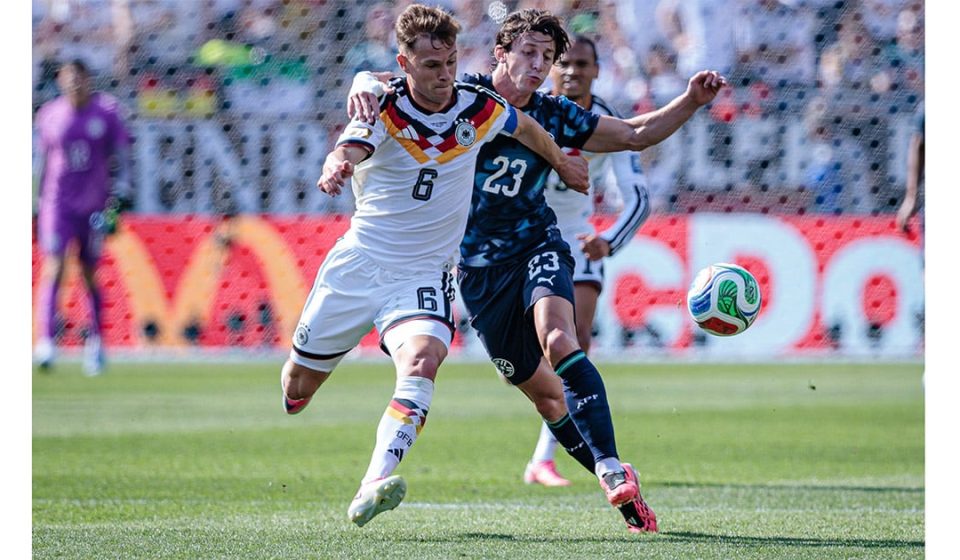

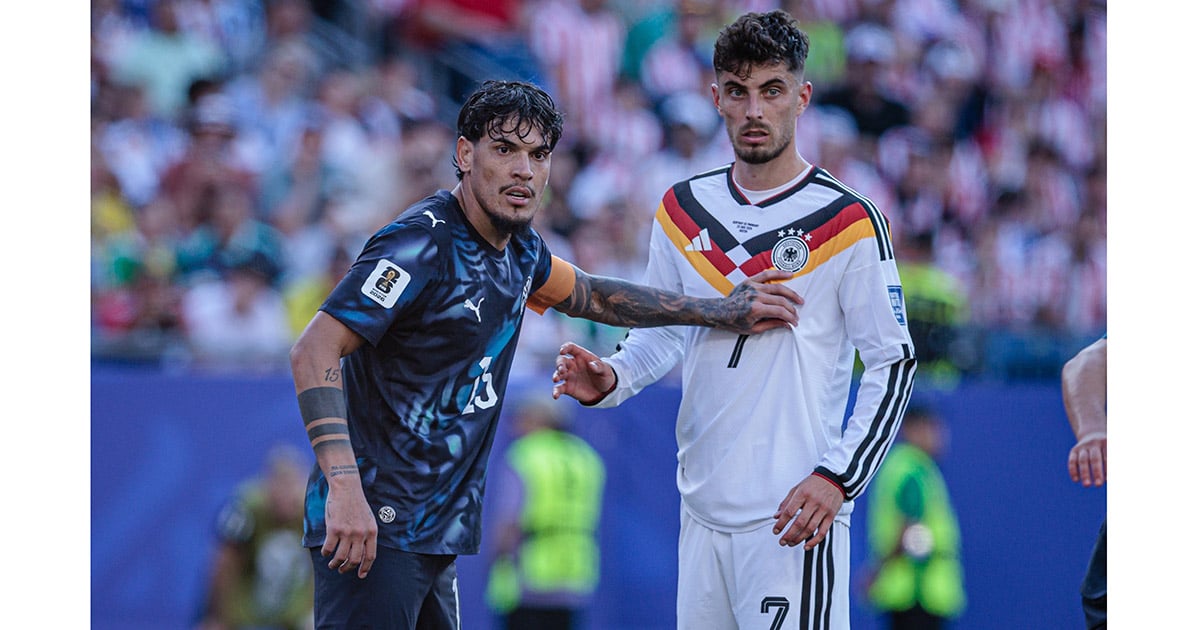
Another disappointing performance by the German national team at the World Cup has triggered a wave of harsh criticism in the German sports media. At the 2026 World Cup, the Bundesteam crushed Curaçao 7-1, edged a late victory against Ivory Coast with a 2-1 win, but then suffered defeats to Ecuador and Paraguay.
The last defeat proved fatal, as Germany’s tournament ended after the first knockout round. The press and leading football experts agree that the blame for this failure lies squarely with head coach Julian Nagelsmann.
Spox and Goal analysts highlight Nagelsmann’s complete lack of foresight and poor tactical decisions in the crucial match against Paraguay. In particular, they point to the dismantling of a working system that featured Deniz Undav as a “super-sub.” In the games against Curaçao and Ivory Coast, Undav came off the bench in the second half to inject sharpness into the attack, becoming the Bundesteam’s standout player against the African side.
However, against Paraguay, Nagelsmann surprisingly started Undav in the lineup. The forward appeared lost on the pitch, registering only nine touches in 63 minutes, while the coach deprived the team of his main attacking weapon on the bench.
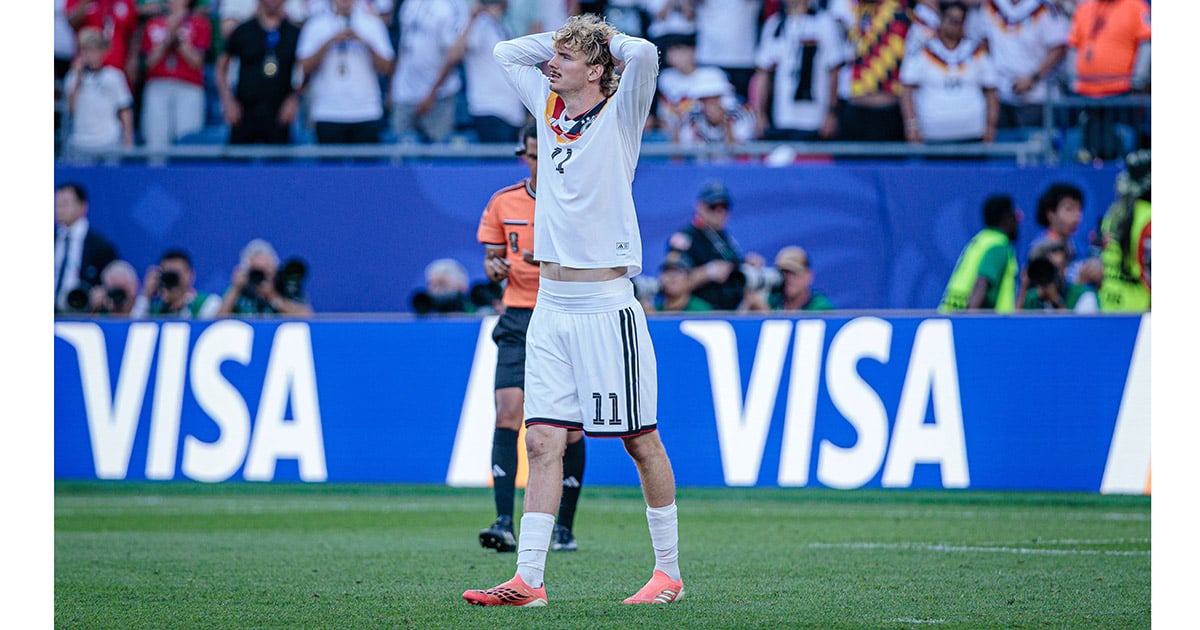
Nik Voltemade, who finished as Germany’s top scorer in the 2026 World Cup qualifiers, was completely overlooked by Nagelsmann during the tournament itself. The coach did not grant him a single minute, not even in the meaningless match against Ecuador when Germany had already secured first place and fielded an entirely reserve squad. Consequently, Voltemade—lacking match rhythm and confidence—was hurriedly thrown on to rescue the game in the 88th minute against Paraguay. Predictably, the psychologically fragile Voltemade failed to create any threat and later missed his penalty in the shootout.
Former international Dietmar Hamann delivered a scathing assessment of Nagelsmann’s professionalism during a broadcast on Irish channel RTÉ Sport:
“A guy who rarely watches football,” Hamann stated, accusing Nagelsmann of laziness and claiming the coach attends only one or two Bundesliga matches per month in person. According to Hamann, in two and a half years, Nagelsmann never bothered to travel to England to see Brentford’s Kevin Schade, who scored 10 goals, nor did he consider Milan defender Jan-Aurel Bisseck, whom he should have taken to the 2026 World Cup.
While coaches of other national teams—Roberto Martínez, Thomas Tuchel, and Didier Deschamps—spent weeks at future battle sites or studied conditions at the Club World Cup, Nagelsmann was absent. He also ignored the African Cup of Nations, where he could have personally analyzed future opponents like Ivory Coast.
“I have no sympathy for him whatsoever. The coach and team got exactly what they deserved,” Hamann concluded.
Augsburger Allgemeine draws attention to the stark contrast between Nagelsmann’s public demeanor and his actual results. The coaching staff’s constant claims of a “great atmosphere in the training camp” turned out to be mere platitudes, unsupported by the quality of play or team cohesion on the field.
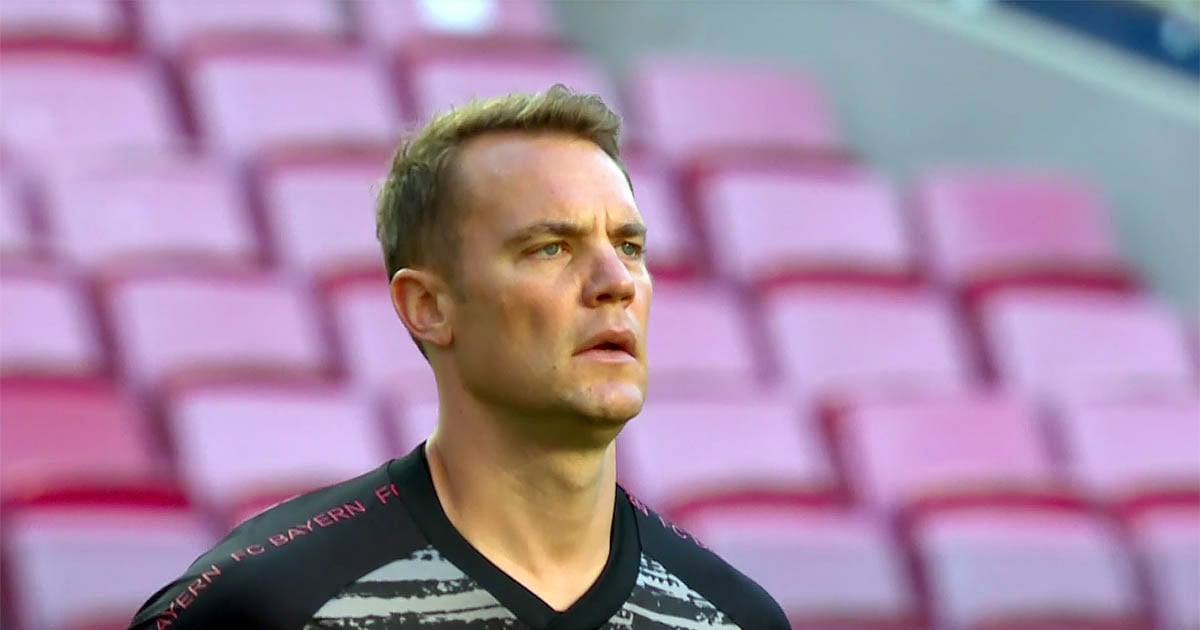
Journalists also recalled Nagelsmann’s public criticisms of Undav earlier in the spring, which only harmed the player’s psychological state despite his excellent form at Stuttgart. It is also worth noting the surprising inclusion of Manuel Neuer in the squad, who two years earlier had announced his international retirement. Nagelsmann not only brought the veteran to the 2026 World Cup but made him the team’s first-choice goalkeeper, significantly intensifying tensions within the Bundesteam’s goalkeeping department.
The media points out that Nagelsmann always speaks confidently, boldly, and uncompromisingly in interviews. Yet his self-assured image has collided with harsh reality: average results at Euro 2024, a lackluster qualification campaign, and the ultimate World Cup fiasco have proven that the coach’s sporting achievements do not match his ambitions.
Despite enormous pressure from the press and public, the 38-year-old Julian Nagelsmann told ZDF in an interview that “he is not one to run away” and ruled out the possibility of resigning voluntarily.